Wwft reporting obligations and unusual transactions for domicile providers
The source article covers internal audits, file reviews and reporting unusual transactions at domicile providers.
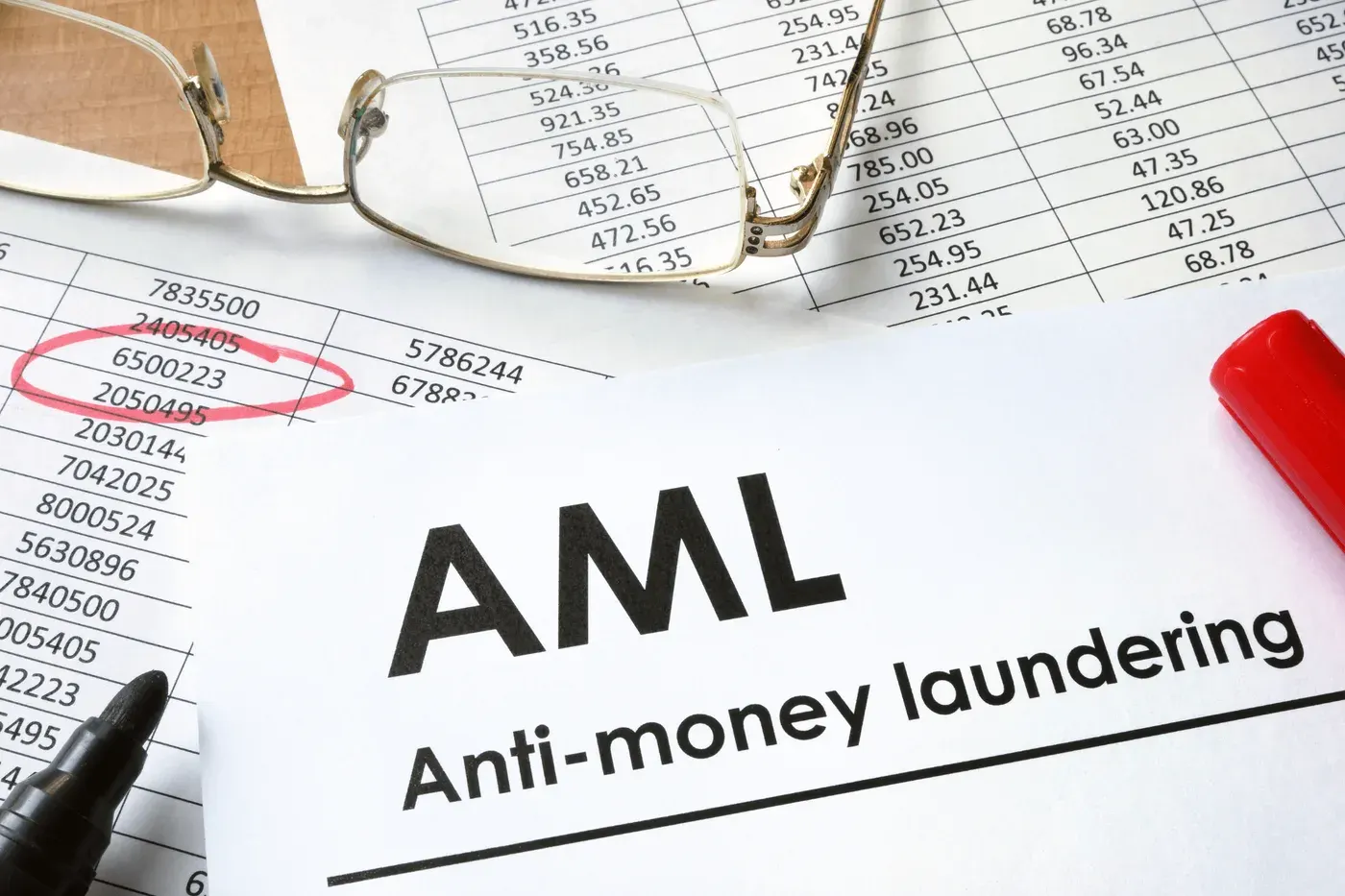
The Dutch Money Laundering and Terrorist Financing (Prevention) Act (Wwft) is crucial legislation in the Dutch financial arena. It is intended both to detect and prevent financial crime such as money laundering and terrorist financing and to shield businesses against unwanted involvement in dubious activities. The law is particularly important for one type of business: domicile providers. Without thoroughly screening clients, domicile providers may unintentionally become part of fraudulent corporate structures. This is where internal audits and reviews become important.
What is a domicile provider?
A domicile provider essentially facilitates businesses needing a business address without actually being based there. Such services are attractive to companies seeking a foothold in certain areas, often for branding, client confidence or legal purposes. The challenge is that, although the service itself is legitimate, risks of misuse make client screening essential.
The role and importance of internal audits and reviews
Internal audits are essential because they verify compliance with regulations such as the Wwft. They check whether a domicile provider properly conducts due diligence, especially client screening. This helps identify potential risks, such as unintentional associations with money laundering or terrorist financing. Regular reviews both ensure compliance and protect the company's reputation.
The importance of thorough audit planning and execution
An effective internal audit requires carefully considered planning and methodology, from selecting specific areas potentially vulnerable to abuse to creating a detailed plan determining what, how and when to assess. Detailed execution then includes identifying risk factors, collecting and analysing client information, and using modern technologies to accelerate and refine the process.
Key areas in auditing domicile providers
Several essential areas deserve attention when auditing domicile providers. These include customer due diligence, risk assessment processes, reporting suspicious transactions and retaining important documentation. These processes ensure domicile providers run transparent and compliant businesses.
After the audit: the importance of reviews and continuous improvement
After an audit, evaluating the findings and making improvements where necessary is essential. This may involve adapting processes, adopting new technologies or providing additional employee training. Senior management involvement and regular feedback loops are crucial to continuous improvement.
The benefits of regular checks
Regular audits and reviews offer numerous benefits. They minimise the risk of fines, strengthen clients' and business partners' trust, and establish a market reputation for integrity and compliance.
Conclusion
The Wwft's importance cannot be underestimated. Compliance and reputation are crucial for domicile providers and other financial institutions. Internal audits and reviews are key. Being proactive, investing in these checks and pursuing continuous improvement are essential.
What happens if you fail to meet the reporting obligation?
Failing to report unusual transactions correctly can have serious consequences for domicile providers and their firms. The Wwft aims to ensure a robust approach to combating crime, and non-compliance with the reporting obligation is therefore severely punished. The Dutch Authority for the Financial Markets (AFM) and De Nederlandsche Bank (DNB) supervise Wwft compliance and have the power to fine domicile providers that fall short. These fines can be substantial and vary according to the seriousness of the breach and the size of the domicile provider's firm. In addition to financial sanctions, non-compliant firms can suffer reputational damage, leading to lost clients and business opportunities. Domicile providers must therefore take responsibility for detecting and promptly reporting unusual transactions to avoid potential sanctions and adverse consequences. A proactive approach to Wwft compliance strengthens clients' trust and promotes the integrity of the entire financial sector.